What if the biggest obstacle to your pleasure isn’t your body, but your mind? For many people, the bedroom can feel less like a place of connection and more like a stage where they are being judged. Whether it is worrying about how you look, how long you will last, or whether you will reach a certain goal, these thoughts can quickly kill the mood. This is what we call overcoming performance anxiety.
Anxiety is a natural response to high-pressure situations. Because intimacy feels so vulnerable, it is common for the stakes to feel incredibly high. But when your brain is busy worrying, it cannot focus on feeling. In this guide, we will look at why this happens and give you practical tools to quiet your mind and enjoy your body.
What You’ll Learn
- The science of the “Fight or Flight” response.
- What “spectatoring” is and how to stop it.
- The psychological roots of performance pressure.
- Step-by-step exercises to reconnect with your partner.
The Body Under Pressure: Why Anxiety Kills Arousal
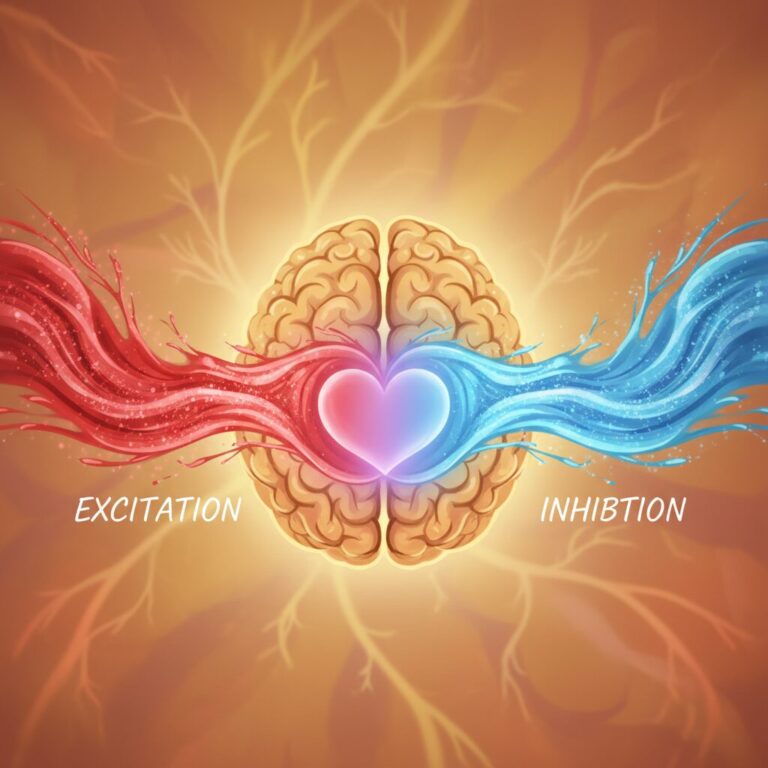
Our bodies have two main operating systems: the sympathetic nervous system (stress/fight-or-flight) and the parasympathetic nervous system (rest/digest/arousal). For arousal to happen, your body needs to be in a state of relaxation.
When you feel anxious, your brain releases cortisol and adrenaline. These chemicals prepare you to fight or run away from a threat. Unfortunately, your brain cannot tell the difference between a lion and a worrying thought. When these stress hormones are in your blood, they shut down your body’s ability to feel pleasure. Overcoming performance anxiety starts with signaling to your brain that you are safe.
The Concept of “Spectatoring”
Have you ever felt like there was a third person in the room watching you during sex? This is called spectatoring. It happens when you stop feeling the physical sensations of touch and start “monitoring” your own performance.
You might be thinking, “Am I doing this right?” or “Does my partner think I look okay?” When you become a spectator of your own life, you lose the connection to your senses. You are essentially watching a movie of yourself instead of being in the scene. Learning to come back into your body is the key to breaking this cycle.
3 Common Misconceptions
There are many myths about overcoming performance anxiety that only add to the pressure.
Myth 1: It only happens to men. This is not true. While men often worry about erections, women experience intense anxiety about body image, “being good enough,” or the pressure to reach orgasm. Anxiety does not discriminate by gender.
Myth 2: It means you aren’t attracted to your partner. Actually, performance anxiety often happens with the partners we care about the most. Because we value them so highly, the pressure to “perform” or “please” them feels much heavier.
Myth 3: A pill will fix everything. While medication can help with some physical symptoms, it does not address the mental “brakes” that anxiety puts on your system. True healing usually requires a mental and emotional shift.
Practical Solutions for Overcoming Performance Anxiety
Try these exercises to help quiet your internal critic.
Sensate Focus: Mindful Touch
This is a classic exercise developed by sex researchers. For 20 minutes, you and your partner take turns touching each other’s skin (avoiding the genitals for now). The goal is NOT to get aroused or have sex. The only goal is to notice how things feel—the warmth of skin, the texture of hair, or the weight of a hand. Removing the “goal” of sex removes the anxiety.
The 3-2-1 Grounding Technique
If you catch yourself spectatoring, use your senses to come back to the moment. Mentally name: * 3 things you can see (the lamp, the ceiling, your partner’s eyes). * 2 things you can feel (the sheets, your partner’s hand). * 1 thing you can hear (your breath or the wind outside).
Deep Belly Breathing
When you feel anxious, your breathing becomes shallow. Take three slow, deep breaths into your belly. This sends a physical signal to your nervous system that there is no danger, allowing your body to shift back into a state where arousal is possible.
Communication Scripts for Couples
Secrets fuel anxiety. Being honest with your partner can instantly lower the pressure. Try saying: “I am feeling a little bit in my head tonight. I really want to be close to you, but can we just slow down and cuddle for a bit without any pressure for anything else?”
Tips for Success
Prioritize “No-Sex” dates. Plan evenings where the goal is simply to be close, with an agreement that intercourse is off the table. This builds a foundation of comfort that makes overcoming performance anxiety much easier over time.
Final Thoughts
You are more than your performance. Pleasure is meant to be a journey of discovery, not a test you have to pass. By being patient with yourself and your partner, you can turn down the volume of your inner critic and rediscover the joy of connection.