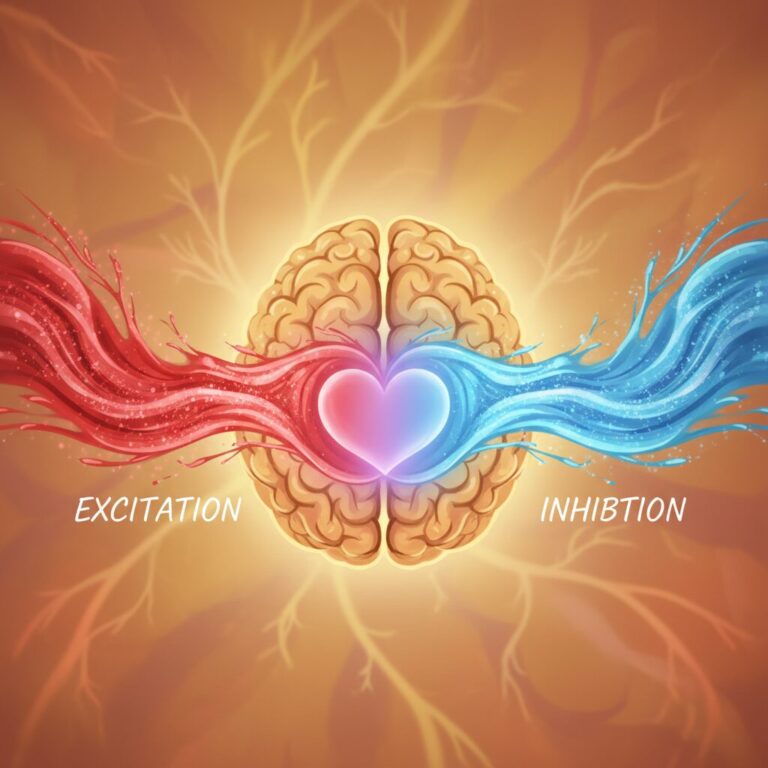
Have you ever wondered why some people seem to crave closeness while others tend to pull away when things get serious? You might feel like there is something “wrong” with you or your partner, but the truth is often found in our psychology. We all have unique patterns in how we connect with others. These patterns are called attachment styles.
Understanding attachment styles and intimacy is like having a map for your heart. It helps you see where you are and where you are going. In this guide, we will explore the different ways humans connect. We will also look at practical steps you can take to feel more secure in your relationships.
What You’ll Learn
- The psychological roots of how we love.
- The characteristics of the four main attachment styles.
- How to identify your own patterns.
- Practical exercises to build a deeper connection.
The Science of Connection
Attachment theory started with the work of John Bowlby and Mary Ainsworth. They studied how babies bond with their parents. They found that these early bonds create a “secure base.” This base gives us the confidence to explore the world.
As we grow up, these early bonds turn into “internal working models.” These are like mental blueprints for our adult relationships. They tell us if people are trustworthy and if we are worthy of love. Understanding these models is the first step toward better attachment styles and intimacy.
The Four Attachment Styles in Adult Relationships
Secure Attachment: The Foundation of Trust
People with a secure attachment style are generally comfortable with both closeness and independence. They tend to trust their partners and communicate their needs clearly. They do not panic when their partner needs space, and they are happy to provide support when asked. This style is the goal for a healthy relationship.
Anxious-Preoccupied: The Need for Reassurance
If you have an anxious attachment style, you might fear that your partner will leave you. You may be very sensitive to small changes in your partner’s mood. This can lead to a constant need for reassurance. It is important to know that this comes from a place of wanting safety, not from being “needy.”
Dismissive-Avoidant: The Value of Independence
People with a dismissive-avoidant style often prioritize their independence above all else. They may pull away when a relationship becomes too emotional. For them, vulnerability can feel like a threat to their freedom. They often appear calm or distant, but this is usually a way to protect themselves from getting hurt.
H3: Fearful-Avoidant: Navigating the Push-Pull
The fearful-avoidant style is a mix of both anxious and avoidant traits. These individuals often want to be close to others, but they are also afraid of it. This can create a “push-pull” dynamic where they get close and then suddenly withdraw. This style is often linked to difficult experiences in the past.
Common Misconceptions
There are many myths about attachment styles and intimacy that can cause unnecessary worry.
Myth 1: Your style is permanent. This is not true. Our brains are plastic, which means they can change. Through self-awareness and healthy relationships, you can develop what experts call “Earned Secure Attachment.”
Myth 2: Avoidant people do not care about love. Actually, avoidant individuals often want connection just as much as anyone else. Their withdrawal is a defense mechanism. It is a way to stay safe when they feel overwhelmed.
Myth 3: Insecure attachment means you are broken. About 40 percent of people have an insecure attachment style. These are simply survival strategies we learned when we were young. They are not flaws in your character.
Practical Exercises for Couples
Building a secure bond takes practice. Here are three exercises you can try at home.
Attunement: The Kind Eyes Exercise
Sit comfortably across from your partner. Look into their eyes with a “soft” gaze. Try to imagine seeing kindness and love reflected back at you. This simple act of eye contact helps regulate your nervous system and builds a sense of safety.
Nurturing Touch: The Hair Washing Ritual
Benefits of Cuddling Sometimes, non-sexual touch is the best way to build trust. Offer to wash or brush your partner’s hair. This is a nurturing act that shows you care for them without any expectations. It allows the avoidant partner to feel safe and the anxious partner to feel cared for.
Communication: The Needs Script
When you feel a “trigger” coming on, use a script. Instead of blaming, try saying, “I feel a little anxious right now. Could we spend ten minutes just sitting together?” Using “I” statements helps your partner understand your needs without feeling attacked.
Tips for Success
Be patient with yourself. Changing years of patterns takes time. Try to identify your triggers before they turn into a big argument. Remember that self-compassion is just as important as compassion for your partner.
Final Thoughts
Understanding attachment styles and intimacy is the first step toward a more fulfilling life. Love is a skill that we can all learn and improve. By being honest about our patterns, we can start to build the secure, loving connections we all deserve.
If you found this guide helpful, you might also enjoy our articles on Active Listening for Couples and Benefits of Cuddling.
Further reading
Understanding your attachment patterns is powerful, but applying that understanding in daily life takes practice. Mindfulness can help you stay present when old triggers arise. Our article on Mindfulness for Couples offers research-backed exercises to support that work and deepen your connection.