Taking care of your intimate collection is just as important as choosing the right toys. Whether you are a beginner or a seasoned enthusiast, understanding how to clean sex toys is essential for your health and the longevity of your products.
We know that talking about cleaning might feel a bit clinical or even a little overwhelming at first. However, treating your toys with the same care you give your favorite skincare products or yoga gear can make all the difference. In this guide, we will walk you through everything you need to know to keep your collection safe, fresh, and ready for use.
What You’ll Learn
- Why proper hygiene is essential for your health and safety.
- How to clean different materials like silicone, glass, and porous TPE.
- The best techniques for drying your toys to prevent mold.
- Safe storage solutions to avoid the “melting” disaster.
- Common maintenance mistakes that could ruin your favorite items.
Why Hygiene is Your Best Friend
Hygiene is not just about keeping things tidy. It is about your well-being. Using a toy that has not been properly cleaned can lead to issues like bacterial vaginosis (BV) or yeast infections. Bacteria can hide in small crevices, especially if a toy was not dried correctly after its last use.
Beyond health, regular maintenance protects your investment. High-quality toys are not always cheap, and proper care ensures they last for years rather than months. By following a simple cleaning routine, you are choosing to prioritize your comfort and safety every single time.
Cleaning by Material Type
Not all toys are created equal. The most important step in how to clean sex toys is identifying what they are made of. Different materials require different levels of care.
Non-Porous Materials (Silicone, Glass, Stainless Steel)
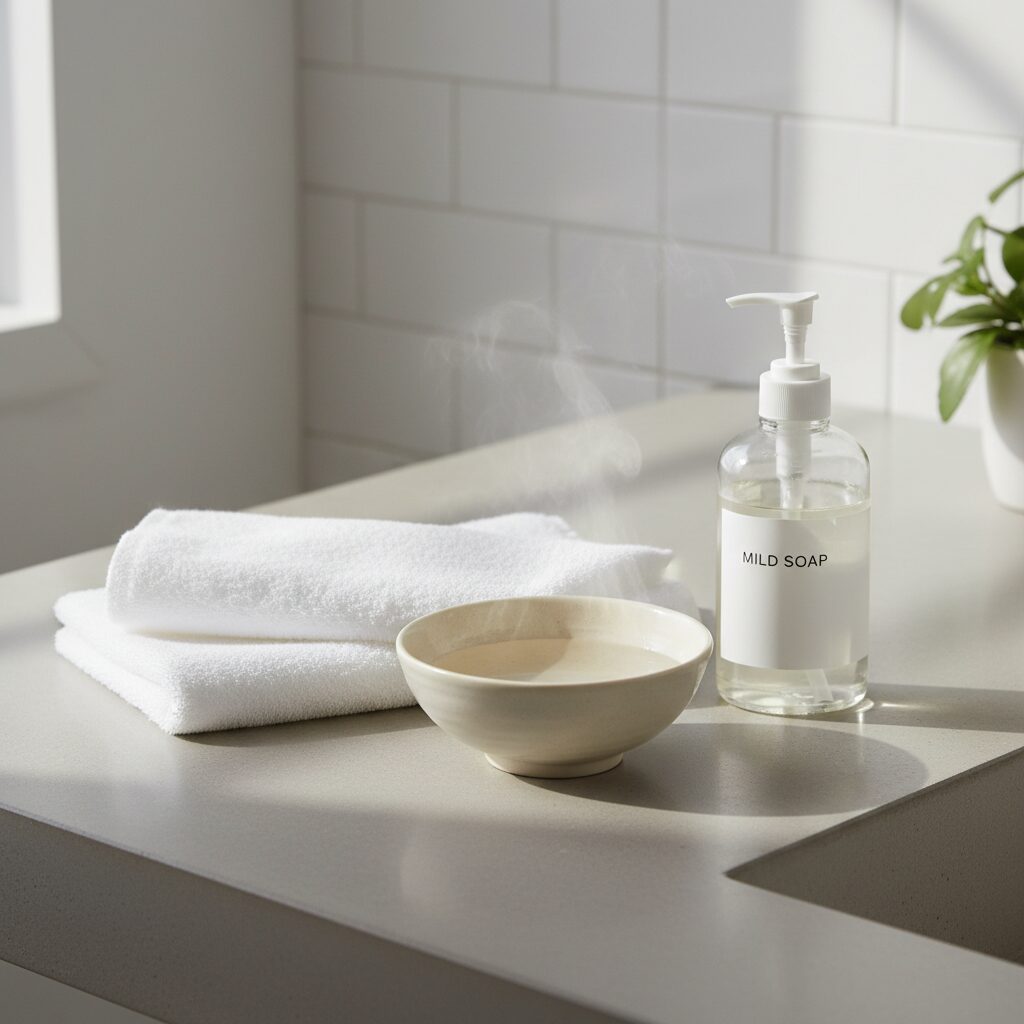
Silicone, glass, and stainless steel are some of the safest and easiest materials to maintain. Because they are non-porous, they do not trap bacteria inside. For a quick clean, mild and fragrance-free hand or body soap with warm water is usually all you need.
If you want a deeper clean, 100% silicone, glass, and metal toys (as long as they are not motorized) can be sanitized by boiling them in water for three to five minutes. Some people even put their non-electric silicone toys in the top rack of the dishwasher. Just make sure to double-check the manufacturer’s instructions first.
Porous Materials (TPE, TPR, Jelly)
Materials like TPE, TPR, and “jelly” are porous, meaning they have tiny, microscopic holes that can harbor bacteria even after a wash. We recommend being extra careful with these. A good tip is to use a condom over these toys to make cleaning much easier and safer.
Because these materials can degrade over time, they usually have a shorter lifespan. Most experts suggest replacing porous toys every eight to ten months. If you notice any tearing, stickiness, or a strange smell that will not go away, it is time to say goodbye to that toy.
Electronics and Motors
When dealing with vibrators or other motorized items, you must be careful with water. First, check if your toy is “submersible” (fully waterproof) or just “splash-proof.” If it is not fully waterproof, do not submerge it. Instead, use a damp cloth with a little bit of mild soap or a specialized antibacterial toy cleaner to wipe down the surface.
The Art of Drying: More Important Than You Think
Many people forget that drying is just as important as washing. Storing a damp toy in a dark place is a recipe for mold and mildew. This is especially true for toys with internal channels, like masturbator sleeves.
The best way to dry your toys is to let them air dry on a clean, well-ventilated rack. If you are in a hurry, you can gently pat them dry with a lint-free cloth or a clean paper towel. Avoid using heat sources like hairdryers, as high heat can warp or melt many intimate materials. For deep sleeves, some people find that using a specialized drying rod or even a small aquarium pump can help circulate air inside.
Storage: Preventing the “Melting” Disaster
Did you know that certain materials can actually “melt” each other if they touch? This is a common chemical reaction that happens when silicone is stored directly against TPE or PVC. To avoid this heartbreak, store your toys separately.
We recommend using individual breathable fabric bags made of silk, satin, or cotton. Avoid using airtight plastic bags, as they trap moisture and can lead to bacterial growth. Keep your collection in a cool, dry, and dark place (like a bedside drawer) away from direct sunlight, which can also damage the material over time.
Common Maintenance Mistakes to Avoid
One of the most common mistakes is using oil-based soaps or lubricants with silicone toys. Oils can break down the surface of silicone, making it feel sticky or pitted. Always stick to water-based products or specialized cleaners.
Another mistake is storing toys with the batteries still inside. Over time, batteries can leak or corrode, which will ruin the motor. If you are not planning to use a toy for a while, take the batteries out first. Finally, never put your toys away dirty. It might be tempting to skip the cleaning after a long night, but your future self will thank you for the extra two minutes of effort.
Expert Tips for Longevity
Regularly inspect your toys for any signs of wear and tear. Look for small cracks, thinning material, or changes in texture. If a toy feels different or starts to smell unusual, it is better to be safe and replace it.
Cleaning after every single use is the gold standard. By making it a habit, you ensure that your toys remain a healthy and happy part of your life.
Frequently Asked Questions
Can I boil my toy to sanitize it? Yes, but only if it is made of 100% silicone, glass, or stainless steel and has no electronic parts. Boiling for three to five minutes is an excellent way to deep-clean non-motorized items.
What kind of soap is best? A mild, unscented hand or body soap is usually the safest choice. Avoid soaps with heavy fragrances, oils, or harsh chemicals that could irritate your sensitive areas.
How often should I replace my toys? Porous toys (TPE/TPR) should be replaced every eight to ten months. High-quality silicone, glass, or metal toys can last for years if they are well cared for and show no signs of damage.
Can I share toys with a partner? Yes, but you must clean them thoroughly between users. For an extra layer of safety, especially with shared porous toys, we recommend using a fresh condom for each partner.
My toy has a strange smell, is it ruined? If a thorough cleaning and drying does not remove the smell, it might be a sign that bacteria or mold has settled into the material. In this case, it is safest to discard the toy.
Final Thoughts
Maintaining your intimate collection is an act of self-care. It ensures that your experiences remain safe, comfortable, and fun. By taking a few moments to properly clean, dry, and store your toys, you are protecting both your health and your favorite products.